
Renting your first apartment In South Africa
1.
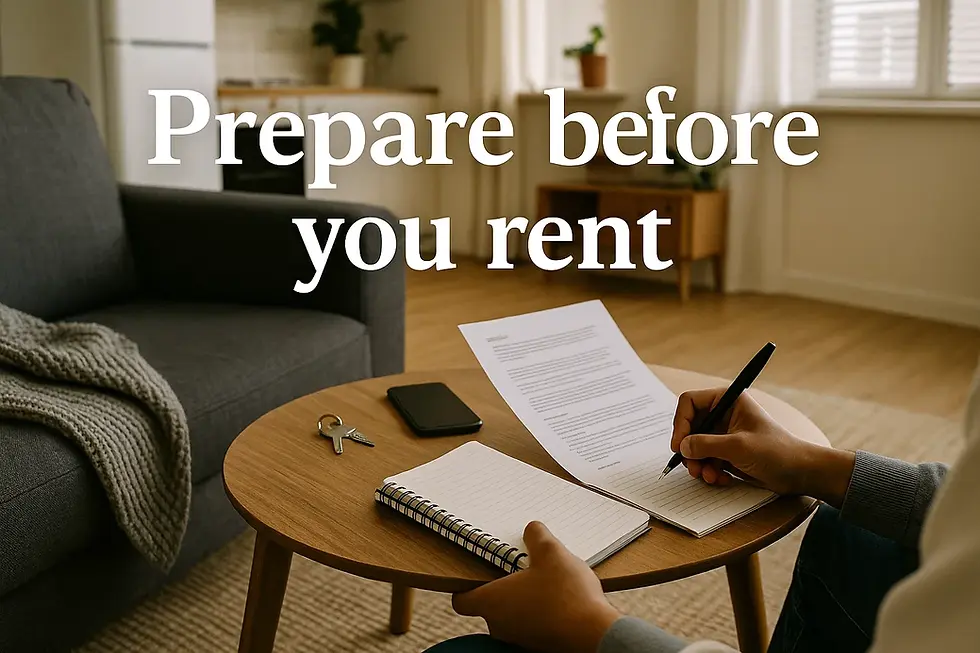
Prepare Before You Start Searching
Set a budget: Your rent should ideally not exceed 30% of your monthly income. Remember to include water, electricity, internet, and transport costs.
Save for upfront costs: Most landlords require a deposit (usually 1–2 months’ rent) plus the first month’s rent before you move in.
Gather documents: You may need your ID, proof of income (payslips or bank statements), and references from previous landlords or employers.
Decide on location: Consider transport routes, safety, proximity to work or school, and availability of shops and services.
2.
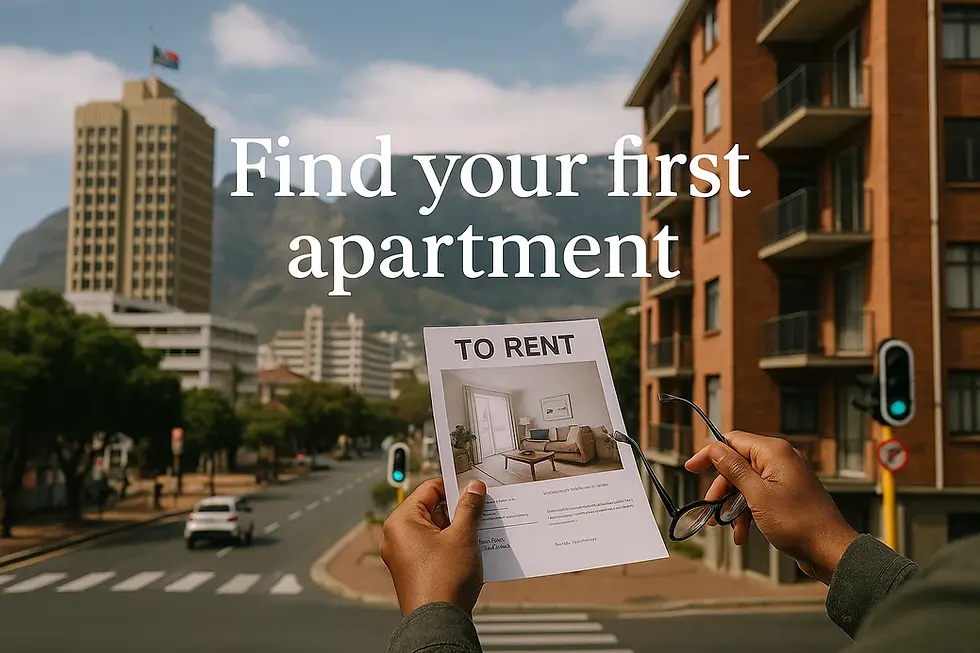
Finding an Apartment
Search on property websites, local classifieds, estate agents, or community groups.
Always view the apartment in person before making decisions.
Inspect the apartment carefully:
Check water pressure, electricity, and appliances.
Look for leaks, damp, or damage.
Test locks and security measures.
Check for cell phone reception and noise levels.

3.
Understanding the Lease Agreement
The lease agreement is a legally binding contract between you and the landlord. Always read it carefully before signing.
Key things to check in a lease:
Names and details of both landlord and tenant.
Rent amount, due date, and payment method.
Duration of the lease (for example, 6 or 12 months).
Deposit amount and conditions for refund.
Who is responsible for utilities (water, electricity, Wi-Fi).
Rules about pets, smoking, visitors, and alterations.
Maintenance responsibilities of tenant and landlord.
Notice period required to end the lease.
Renewal conditions (automatic or new agreement needed).
Tip: If any promises were made verbally (such as painting the flat or fixing a broken item), make sure they are written into the lease.

4.
Deposits
A deposit is usually equal to 1–2 months’ rent.
The landlord must place your deposit in an interest-bearing account. You are entitled to the interest when the lease ends.
Do a joint inspection with the landlord before moving in. Record any existing damage in writing or with photos.
When you move out, another inspection will be done. Deductions can only be made for actual damage (beyond normal wear and tear) or unpaid rent.
The landlord must return your deposit, with interest, within 7–14 days after you leave (depending on whether deductions are made).

5.
Tenant Rights in South Africa
You have the right to a written lease.
You have the right to a safe and habitable home.
You cannot be evicted without a court order.
You must receive proper notice before rent increases or lease termination.
You have the right to a refund of your deposit (minus lawful deductions).
You have the right to privacy – the landlord cannot enter without permission or proper notice.

6.
Tenant Responsibilities
Pay rent on time every month.
Take care of the apartment and avoid causing damage.
Report maintenance issues promptly.
Follow the rules in the lease (pets, noise, visitors, etc.).
Do not sublet or make major changes without the landlord’s written permission.
Give proper written notice before moving out (usually 30 days, check the lease).

7.
Moving In
Do a detailed walk-through inspection with the landlord. Note all damage in writing and take photos.
Ensure all utilities are working (lights, water, geyser, plugs).
Keep copies of the lease, deposit receipt, and inspection report in a safe place.
8.
During Your Stay
Always pay rent on or before the due date.
Keep records of all payments (receipts or bank statements).
Communicate with your landlord in writing when reporting issues.
Keep the property clean and in good condition.
9.
Moving Out
Give written notice according to the lease terms.
Clean the apartment thoroughly and repair small damages (replace bulbs, patch nail holes).
Do the final inspection with the landlord.
Return all keys, remotes, or access cards.
Request your deposit refund in writing and keep a copy of the request.