
Renting out owned properties In South Africa

1.
Prepare Your Property
A) Inspect and Repair
Fix any structural issues such as leaks, broken doors, or faulty wiring.
Ensure plumbing, geysers, and electrical systems are in good working order.
Paint walls and clean thoroughly to make the property attractive to tenants.
B) Safety and Security
Ensure doors and windows have quality locks.
Install burglar bars or security gates if necessary.
Make sure smoke detectors, geysers, and electrical appliances are safe and compliant with regulations.
C) Furnished or Unfurnished
Decide whether to rent the property furnished or unfurnished.
Furnished properties can command higher rent but require more maintenance.

2.
Set a Competitive Rental Price
Research the local rental market to find out what similar properties are charging.
Consider factors such as location, size, condition, security, and amenities.
Include utility costs if you plan to cover them, or specify that tenants pay separately.

3.
Advertise Your Property
Take high-quality photos of all rooms and the exterior.
List your property on online platforms like Property24, Private Property, and social media groups.
Include a detailed description with:
Number of bedrooms and bathrooms
Parking, garden, or pool
Security features
Proximity to schools, shops, and transport
Clearly state the monthly rent, deposit, and any additional costs.

4.
Screen Potential Tenants
A) Request Documentation
South African ID or passport.
Proof of income or employment.
Previous landlord references if possible.
Credit check (can use rental screening services or the tenant’s credit bureau report).
B) Interview Tenants
Ask about rental history, work stability, and household members.
Look for tenants with reliable income and a good rental track record.
C) Conduct Background Checks
Use a tenant screening service for criminal or credit checks.
Always verify references directly with previous landlords.
5.
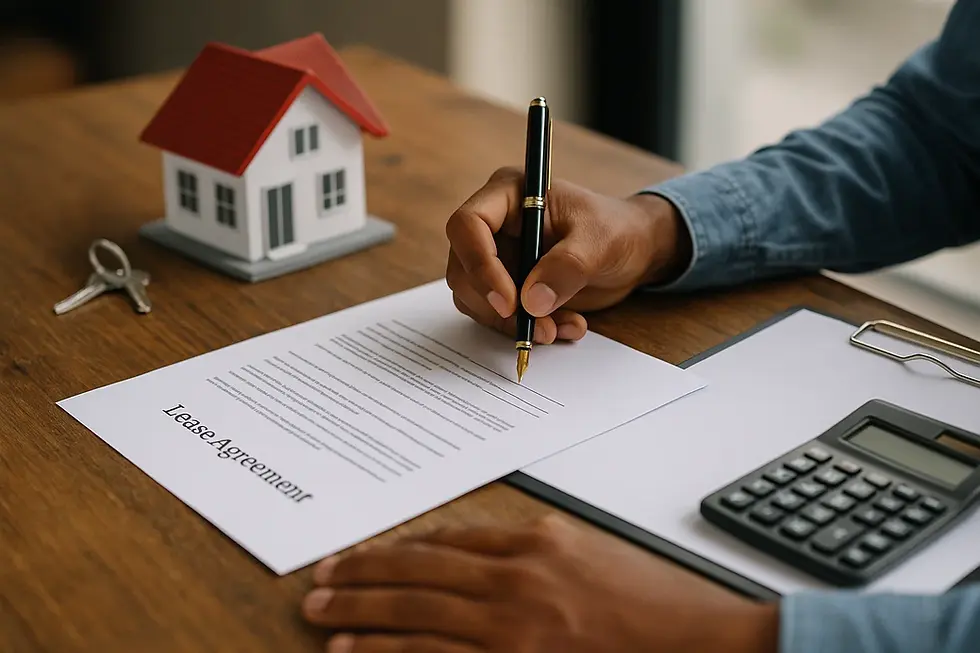
Draft a Lease Agreement
Use a written lease agreement; verbal agreements are not recommended.
Include key details:
Names of landlord and tenant
Address of the property
Rent amount, due date, and payment method
Duration of the lease (6 or 12 months standard)
Deposit amount and conditions for refund
Tenant responsibilities (maintenance, utilities, keeping property clean)
Landlord responsibilities (repairs, safety, legal compliance)
Notice period for termination (usually 1–2 months)
Rules about pets, smoking, or alterations
Sign the lease and give a copy to the tenant. Keep your copy safe.

6.
Collect Deposits and First Month’s Rent
Request a deposit (usually equal to 1–2 months’ rent).
Place the deposit in an interest-bearing account.
Receive the first month’s rent before handing over the keys.

7.
Hand Over the Property
Conduct a walkthrough inspection with the tenant.
Document any existing damage in a checklist and take photos.
Provide the tenant with:
Keys and gate remotes
Instructions for appliances and utilities
Emergency contacts for maintenance or repairs

8.
Manage Utilities
Decide who will pay utilities: landlord or tenant.
Ensure accounts are in the correct name and arrange a smooth transfer if needed.
Monitor prepaid meters (if applicable) or check municipal bills monthly.
9.
Legal Considerations
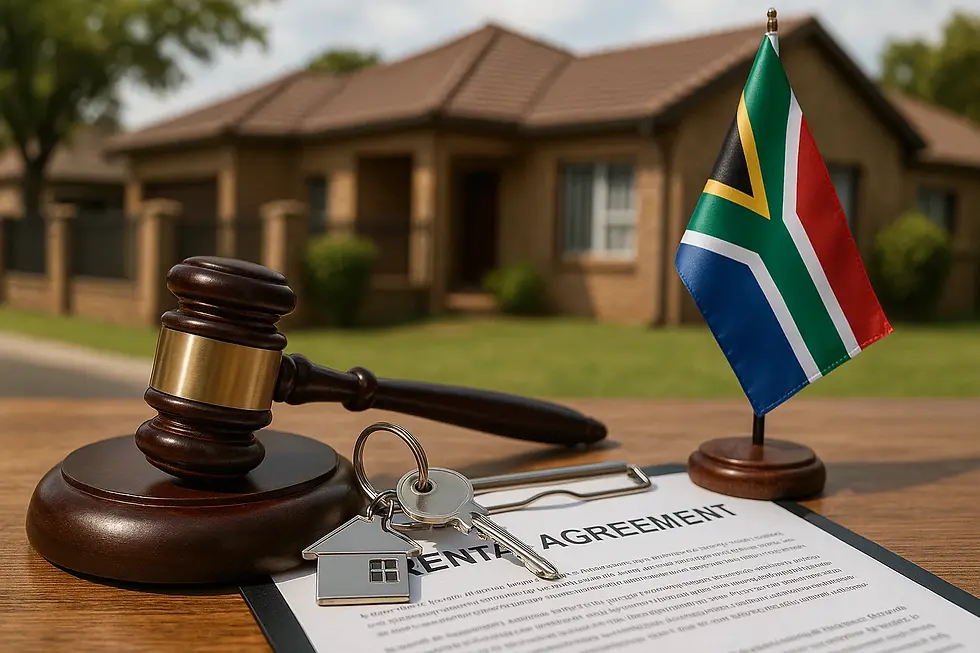
Familiarize yourself with the Rental Housing Act and local municipal regulations.
You cannot discriminate against tenants based on race, gender, religion, or other protected characteristics.
Evictions must follow legal procedures; you cannot simply change locks or remove tenants.
Ensure compliance with fire and safety regulations, especially in furnished properties.